


Wine Gets Better with Age. But Does It Always?
Aging wine is an essential part of the winemaking process, shaping its character and enhancing its complexity. However, contrary to popular belief, not all wines benefit from extended aging. In fact, about 90% of wines are best enjoyed within five years of bottling. So what really happens during the aging process, and why do some wines age gracefully while others fade? Let’s uncork the mystery of wine aging and how it works in Northern Michigan’s unique climate.
Maturation vs. Aging: What’s the Difference?
Before a wine even reaches a bottle, it undergoes maturation, a process that includes fermentation, clarification, and stabilization. During this stage, winemakers might introduce oak aging or malolactic fermentation to influence the wine’s final structure.
Once bottled, the aging process truly begins. This is when complex chemical reactions take place, altering the wine’s flavor, aroma, and texture. Wines with the right balance of acidity, tannins, and sugar can evolve beautifully over time, developing new layers of complexity.
What Affects the Aging Process?
Several factors influence how well a wine ages:
- Grape Variety & Composition – Some grapes, like Cabernet Sauvignon and Riesling, have a higher potential for aging due to their tannin and acidity levels.
- Climate & Vintage – The weather during the growing season affects grape composition, meaning some years produce wines with better aging potential.
- Oak Aging – Barrels add tannins and impart flavors like vanilla, spice, and toast, helping wines mature gracefully.
- Temperature & Storage – Ideal conditions include a cool, dark space with a stable temperature around 55°F. Fluctuations can speed up aging and degrade wine quality.
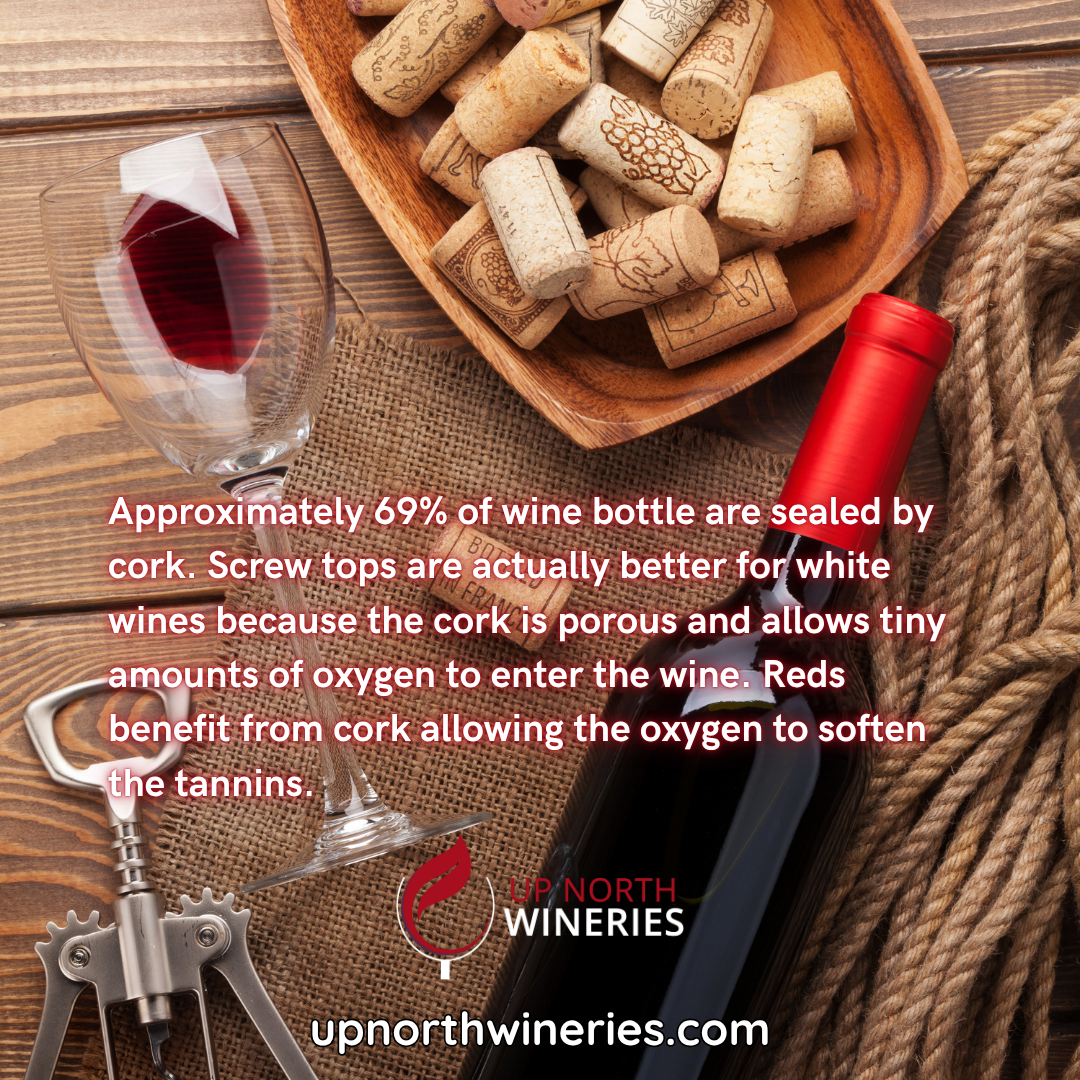
- Oxygen Exposure – Limited oxidation can enhance complexity, but too much exposure can lead to spoilage.
Barrel Aging vs. Bottle Aging
- Barrel Aging – Wine aged in barrels interacts with oxygen, softening tannins and developing deeper flavors.
- Bottle Aging – Once sealed, the aging process slows down, allowing for gradual chemical transformations that create rich tertiary aromas like earth, leather, and dried fruit.
The Science of Aging Wine: What Happens Inside the Bottle?
- Esterification – Acids and alcohols combine to create fruity and floral aromas.
- Tannin Polymerization – Tannins soften over time, reducing astringency and enhancing mouthfeel.
- Oxidation – Controlled exposure leads to flavor development, while excessive oxidation can ruin a wine.
How to Tell if a Wine is Aging Well
- Good Signs: A shift from bright fruit to complex flavors like spice, tobacco, or honey.
- Bad Signs: Excessive browning, musty smells, or a flat, sour taste.
Northern Michigan: A Unique Wine Aging Environment
Northern Michigan’s cool climate and unique terroir play a significant role in how wines from the region evolve over time. Crisp white wines like Riesling often maintain their acidity and develop lovely honeyed notes, while structured reds like Cabernet Franc gain depth and smoothness.
Final Pour: The Perfect Balance
Aging wine is both an art and a science. While some wines are crafted for immediate enjoyment, others are built for patience, rewarding those who wait with unparalleled depth and complexity. Whether you’re a casual sipper or a serious collector, understanding the aging process can help you appreciate every glass a little more.

 Marisa Fancy along with her husband and four children dreamt of moving “Up North”. They had vacationed for years in northern Michigan and in 1995 they finally made the move.