


When you grab a bottle of wine, do you prefer the satisfying pop of a cork, the easy twist of a screw cap, or… lead? (Okay, maybe not the last one.) The way a wine bottle is sealed does more than just keep the liquid inside. The seal can affect the taste, aging, and overall drinking experience. Let’s take a look at the different ways wine bottles have been sealed, from the ancient Romans to today’s modern winemakers.
Cork: The Classic Choice
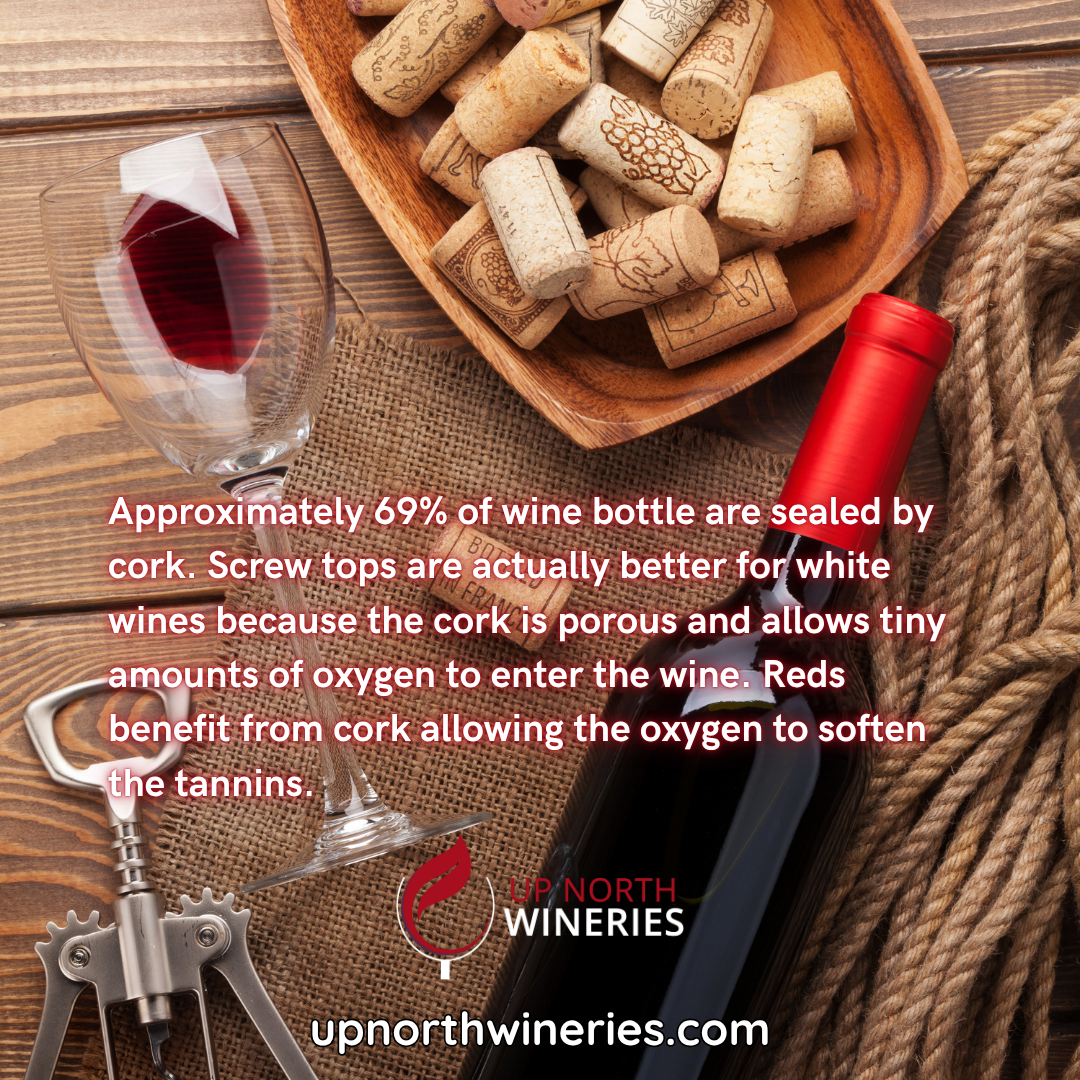
Corks have been sealing wine bottles since the 1700s, and for good reason. Made from the bark of the cork oak tree, natural cork is slightly porous, allowing small amounts of oxygen to enter the bottle. This process helps red wines age gracefully, softening tannins and deepening flavors over time.
However, corks have their downsides. They can be inconsistent in quality, and a small percentage of them suffer from cork taint, caused by a pesky chemical called TCA (trichloroanisole). If you’ve ever opened a bottle of wine and been greeted by a musty, wet-cardboard aroma, you’ve experienced the unfortunate fate of a “corked” bottle.
Screw Caps: The Modern Alternative
Screw caps have come a long way since their early days when they were associated with cheap, bottom-shelf wine. Today, many high-quality wines, especially whites and young reds, use screw caps because they provide a tight seal. The tight seal prevents oxidation and ensuring consistency from bottle to bottle. They’re also easy to open (no corkscrew required!) and reseal if you don’t finish the bottle in one sitting.
New Zealand and Australia have embraced screw caps more than almost any other wine-producing regions, proving that a twist-off doesn’t mean a wine is low quality. Plus, they eliminate the risk of cork taint, making them a reliable choice for winemakers and drinkers alike.
The Romans and Their Love of Lead
While corks and screw caps are the most common closures today, the Romans had a very different approach. They used lead, yes, actual lead to store and transport wine. The metal helped preserve the wine and was even used to sweeten it, thanks to the way it reacted with the acids in the liquid.
There’s a popular theory that widespread lead poisoning contributed to the fall of the Roman Empire, but historians debate how much truth there is to it. Either way, we’re pretty grateful that modern winemakers have moved on from this questionable practice!
So, Which is Better?
At the end of the day, there’s no one-size-fits-all answer. If you’re aging a bold red wine, a natural cork might be your best bet. If you’re cracking open a fresh, crisp white, a screw cap will keep it tasting bright and clean. And if you happen to stumble upon an ancient Roman bottle sealed with lead… maybe skip that one.
No matter how your bottle is sealed, the most important thing is what’s inside and who you share it with. Cheers! 🍷


 Marisa Fancy along with her husband and four children dreamt of moving “Up North”. They had vacationed for years in northern Michigan and in 1995 they finally made the move.