


Storing wine might seem as simple as sticking bottles on a shelf, but if you want to preserve its flavor and quality, there’s a bit more to it. Whether you’re saving a special bottle for a future celebration or just want your everyday wine to taste its best, proper storage is key. Let’s break down the essentials of keeping your wine in tip-top shape.
Keep It Cool (But Not Too Cold!)
Temperature is one of the biggest factors in wine storage. The sweet spot for wine is between 50 and 55 degrees Fahrenheit. Anything above 70 degrees can cause wine to age too quickly, robbing it of its flavors. On the flip side, storing wine in a fridge or anywhere below 40 degrees for too long can dry out corks, allowing air to seep in. If you have the space, a dedicated wine fridge is a great investment, but a cool basement or closet will do the trick for short-term storage.
Store Bottles Horizontally
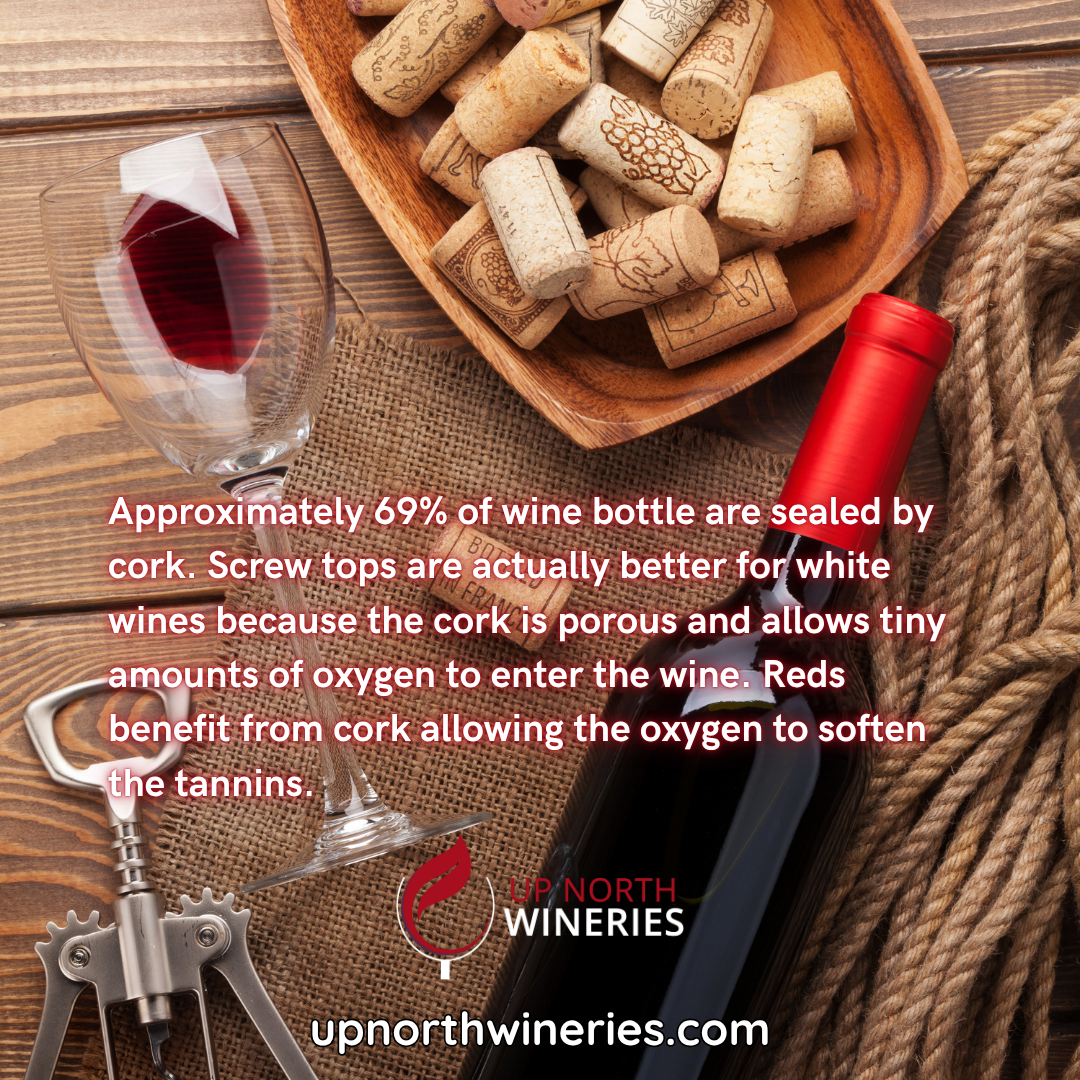
Ever wonder why wine racks are designed for bottles to lie on their sides? It’s not just for aesthetics! Storing wine horizontally keeps the cork moist, preventing it from drying out and shrinking. A dried-out cork can let air into the bottle, leading to oxidation—and trust us, no one wants a bottle of stale, vinegary wine. If your wine has a screw cap, you can store it upright without worry, but for traditional corked bottles, horizontal storage is the way to go.
Avoid Light Exposure
Wine and direct sunlight do not mix. UV rays can break down the delicate compounds in wine, causing it to age prematurely and lose its flavor. That’s why many wine bottles are tinted—to help protect the contents from light damage. But even then, it’s best to store wine in a dark place, away from windows and bright artificial light. If you don’t have a wine cellar, a cabinet or closet works just fine.
Mind the Humidity
Humidity plays a surprisingly important role in wine storage. Ideally, you want humidity levels around 70%. Too much moisture can lead to mold growth (nobody wants a fuzzy wine label), while too little can dry out the cork. If you’re storing wine long-term, consider using a small humidifier or placing a bowl of water nearby to maintain the right balance.
Minimize Vibrations
It might sound odd, but wine doesn’t like to be disturbed. Frequent movement and vibrations can disrupt the aging process by stirring up sediment and affecting the wine’s development. That means keeping bottles away from appliances that generate vibrations, like washing machines or even a frequently used fridge.
Short-Term vs. Long-Term Storage
Not all wines need years to age. Most wines sold today are meant to be enjoyed within a few years of purchase, and for these, short-term storage in a cool, dark spot is just fine. But if you’re investing in age-worthy wines, paying attention to storage conditions becomes even more important.
For open bottles, always store them in the fridge—even reds! You don’t have to drink them cold; just let them warm up a bit before serving. Keeping them chilled slows down oxidation, meaning you’ll get a few extra days of enjoyment out of your wine.
Storing Wine
Storing wine the right way isn’t complicated, but it does make a big difference in preserving its quality and taste. Whether you have a dedicated wine fridge or just a quiet corner of your basement, following these simple storage tips will ensure every glass you pour is as delicious as it’s meant to be. Cheers!

 Marisa Fancy along with her husband and four children dreamt of moving “Up North”. They had vacationed for years in northern Michigan and in 1995 they finally made the move.