


How Shape and Holding Techniques Enhance Your Experience
When it comes to enjoying a great glass of wine, the right glass can make all the difference. Sure, the wine itself is the star, but the glass you drink from plays a crucial role in unlocking its full potential. From the shape of the bowl to the way you hold it, every detail contributes to enhancing your experience. Let’s dive into how the right wine glass shapes and proper handling techniques can elevate your tasting journey.
The Importance of Wine Glass Shape
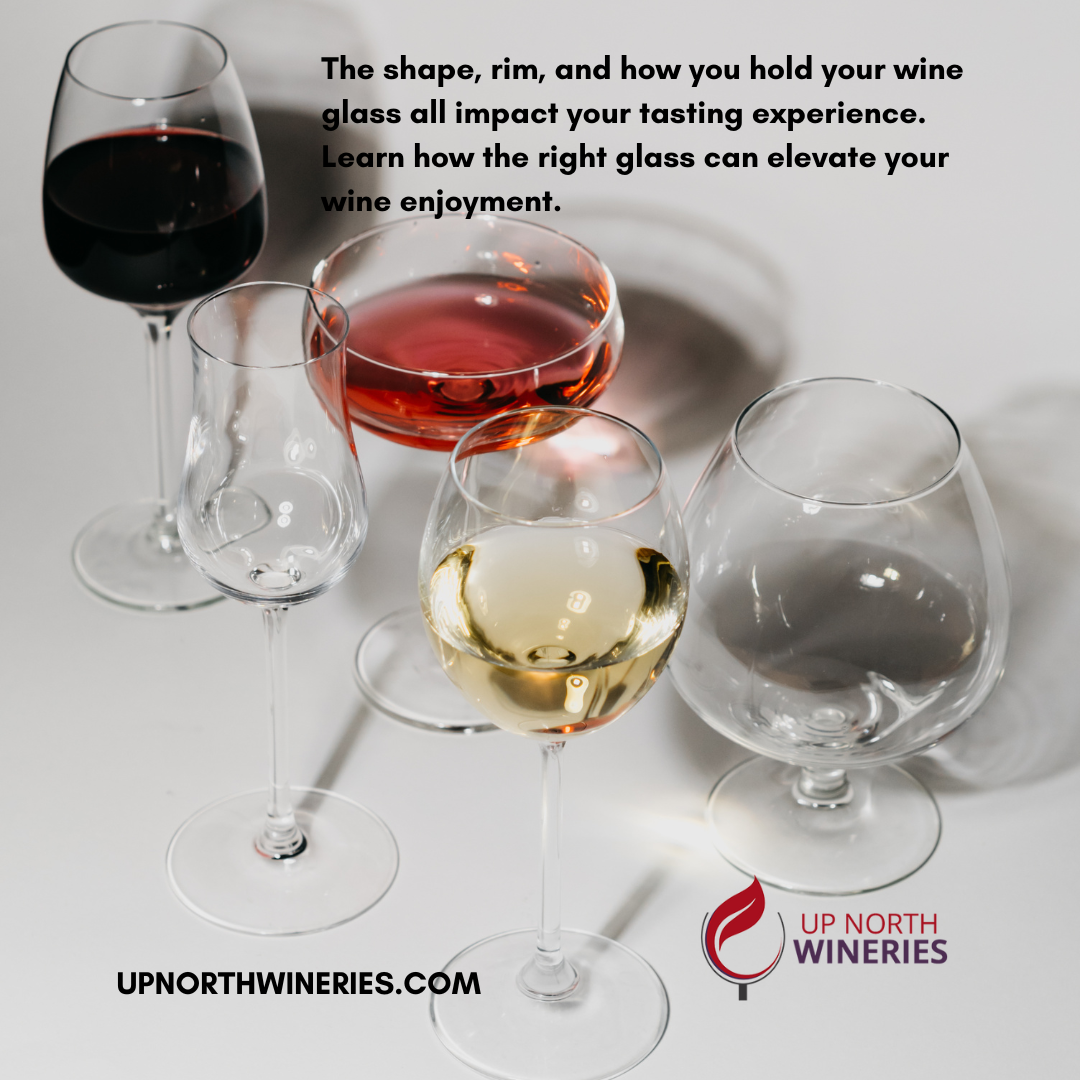
Wine glasses aren’t just a stylish way to serve your favorite bottle; their shapes are designed to concentrate aromas and preserve the wine’s delicate flavors. The inward curve at the top of the glass traps the aromas, allowing you to experience the wine’s full bouquet with every sniff and sip. Different wines require different glass shapes to highlight their unique characteristics. For example, red wines with bold flavors benefit from a larger bowl that allows the wine to “breathe” and develop a richer aroma. On the other hand, white wines, which tend to have more subtle aromas, are best served in narrower glasses to keep those delicate scents concentrated.
Additionally, the space above the wine (known as the “headspace”) plays a key role in trapping and concentrating those aromas, making your olfactory experience more intense and enjoyable.
Why Holding the Glass Matters
Another important factor in maximizing your wine experience is how you hold your glass. The classic advice is to hold your wine glass by the stem, not the bowl. Why? Because the warmth of your hand can alter the wine’s temperature, which can negatively impact its flavor and aroma. Warm wine can taste “flabby” and may make the alcohol more pronounced. By holding the glass by the stem, you keep your hand’s warmth from affecting the wine, ensuring that it stays at the perfect temperature for tasting. If you’re using a stemless glass, try holding it by the base to minimize contact with the bowl and prevent any unwanted warmth from affecting the wine.
The Role of the Rim and Bowl
Now, let’s talk about two critical components of a wine glass: the rim and the bowl. The rim is the part of the glass that touches your lips, and it plays a direct role in your sensory experience. A tapered or flared rim helps concentrate the wine’s aromas and prevents spills while you swirl the wine. Speaking of swirling, this act allows the wine to interact with oxygen, releasing volatile compounds and enhancing the bouquet.
The bowl is arguably the most important part of the glass. It’s where the wine settles and interacts with oxygen. A glass with a wide bowl allows for better aeration, which is key to unlocking the full aroma profile of a wine. For wines with bold, rich flavors, like Cabernet Sauvignon, a larger bowl with more volume is ideal to allow the wine to “open up” fully. For more delicate wines, like Riesling, a smaller bowl helps to concentrate the aromas and prevents the wine from being exposed to too much oxygen.
The Perfect Wine Glass
In the world of wine, the right glass can make all the difference in your tasting experience. The shape, rim, and how you hold the glass all contribute to preserving the wine’s temperature, enhancing its aromas, and delivering a more enjoyable experience. So, next time you’re enjoying a glass of wine from a Northern Michigan vineyard, remember: the glass you choose can help you savor every drop to its fullest potential.


 Marisa Fancy along with her husband and four children dreamt of moving “Up North”. They had vacationed for years in northern Michigan and in 1995 they finally made the move.