


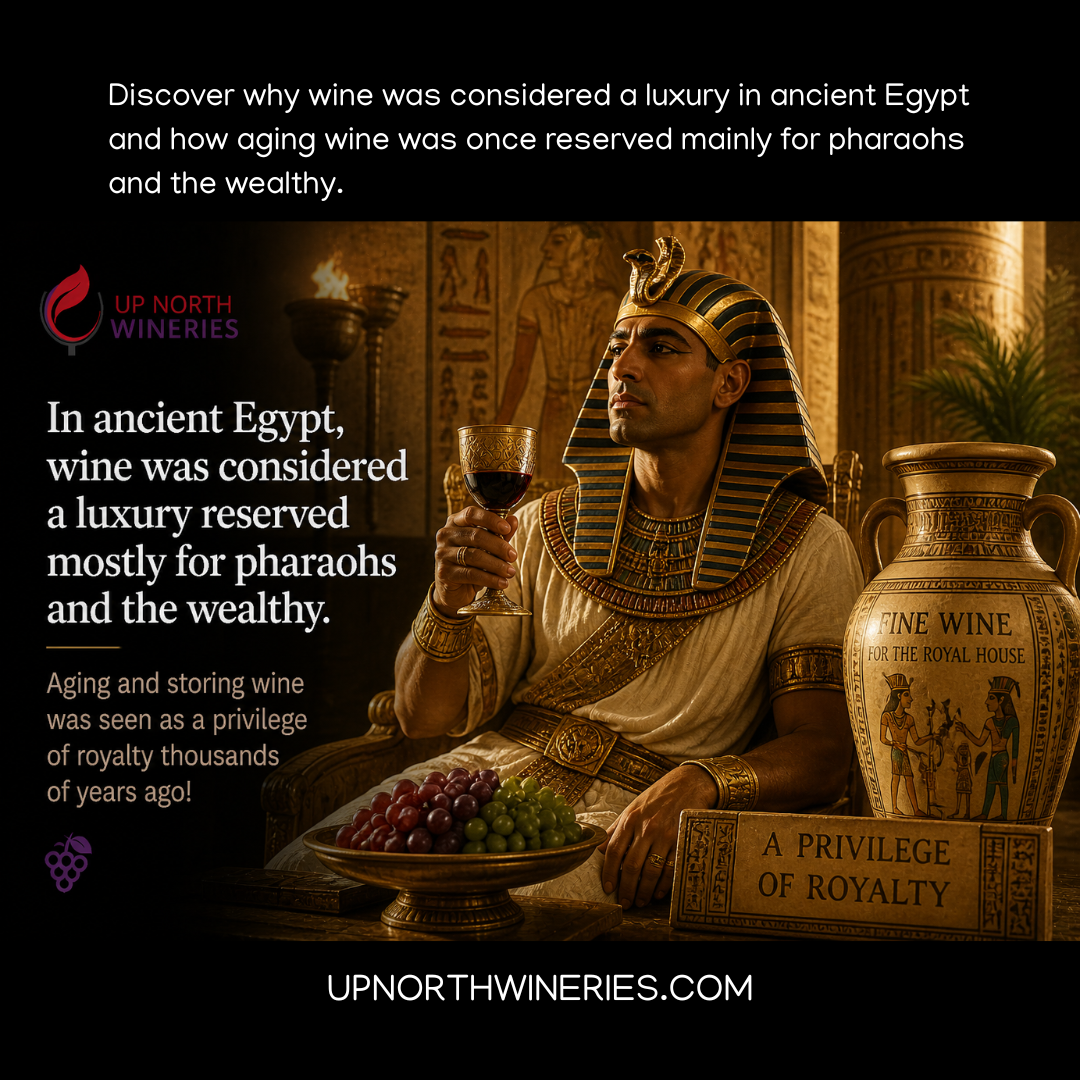
Today, wine is enjoyed by people all over the world, but in ancient Egypt, wine was considered a luxury that only the wealthy could regularly afford.
In fact, historians believe the ability to store and age wine until maturity was often viewed as a privilege reserved mainly for pharaohs, nobles, and the upper class.
For most ordinary Egyptians, wine was simply too expensive and difficult to produce to enjoy on a regular basis.
Wine Was a Symbol of Wealth and Power
Ancient Egypt’s hot climate made grape growing more challenging than in some Mediterranean regions, which helped make wine a valuable and prestigious product.
Because producing wine required significant land, labor, and storage resources, it became closely associated with wealth and royalty.
Wine was commonly found in:
- Royal palaces
- Religious ceremonies
- Banquets of the wealthy
- Tomb offerings for pharaohs and nobles
Beer, on the other hand, was far more common among everyday Egyptians because it was easier and less expensive to make.
Aging Wine Was a Luxury
One of the most fascinating aspects of Egyptian wine culture was the practice of storing wine for aging and maturity.
Aging wine required:
- Secure storage areas
- Clay jars or containers
- Time and patience
- Protection from heat and spoilage
Because of the cost involved, long-term wine storage was generally associated with the royal class and elite households.
Some ancient Egyptian wine jars even included labels describing:
- The vineyard
- The vintage year
- The winemaker
- The ruling pharaoh
In a way, these early labels were similar to modern wine labels found today.
Wine Played an Important Religious Role
Wine also carried spiritual significance in ancient Egypt. It often played a role in religious rituals and accompanied pharaohs into the afterlife from within their tombs.
Archaeologists have discovered wine vessels in several royal tombs, showing how highly valued wine was within Egyptian society.
A Tradition That Spans Thousands of Years
It’s amazing to think that people were discussing wine quality, storage, and aging thousands of years ago. While wine is much more accessible today, the appreciation for carefully crafted and aged wine has remained remarkably consistent throughout history.


 Marisa Fancy along with her husband and four children dreamt of moving “Up North”. They had vacationed for years in northern Michigan and in 1995 they finally made the move.